

So, What's the Deal with Róhe?
The ubiquitous brand suddenly has Fashion Substack in a chokehold. Who are they?



It started with a frog-clasp top, then a viral leather jacket, and then it was on the Instagram of every girl I do not know wearing it to some restaurant I have been trying to get into. The brand is Róhe. It is pronounced roe-uh. And it’s everywhere.
Róhe was established in 2021 by Marieke Meulendijks and Maickel Weyers in Amsterdam. The house philosophy, in their words, is an “infinite dialogue of quiet confidence” — craft, innovation, and an artistic community converging across collections defined by a rewritten definition of tailoring and elevated minimalism. Italian fabrics. Uncompromising quality. A personal garderobe meant to transcend seasons. The official line is that COVID created the pause Marieke needed to finally build the brand she and her husband had always talked about.
The origin story is more interesting than the press materials let on. Róhe is not a 2021 startup wunderkind in any meaningful sense. It is the rebrand of Les Coyotes de Paris, the Amsterdam womenswear line Marieke Meulendijks founded in 2015 after leaving Scotch & Soda.
Meulendijks had a non-compete that prevented her from designing for women and men for a few years, so she started Les Coyotes as a girls’ brand for ages 8 to 18, inspired by Françoise Hardy and a certain 1970s Parisian idea of young femininity. When the contract lifted, she expanded into women’s, and by 2021, she and her partner, Maickel Weyers, had relaunched the women’s arm under a new name with a new point of view. Róhe is what the grown woman got.

The rebrand matters because it reframes Róhe not as an overnight minimalism success but as a second act from a designer who had already spent a decade understanding what the adjacent customer actually wanted. That customer, at the moment the rebrand landed, was grieving Céline under Phoebe Philo and had perhaps grown weary of The Row’s prices. Róhe walked into a specific gap in the market with Italian fabrics and tailoring details that undercut competitors’ prices by roughly half.
The distribution strategy is the other piece of the puzzle. Róhe launched at a small list of directional multi-brand retailers first, the kind of shops that function as taste filters. Net-a-Porter picked it up next, then Liberty, then a wave of boutiques from Melbourne to Copenhagen. The brand has been notably patient about not blanketing every e-commerce platform at once, which is why the clothes still feel like a discovery.
The seeding has been more strategic than the breakout would suggest, too. I cannot point to a single celebrity moment that made Róhe happen. What I can point to is the slow pile-up of fashion editors, writers, and stylists wearing it relentlessly until the brand crossed over. They have a bloodhound nose for “cool girls”, and the brand does a rigorous job of ensuring their clothes land —gifted— in those closets.
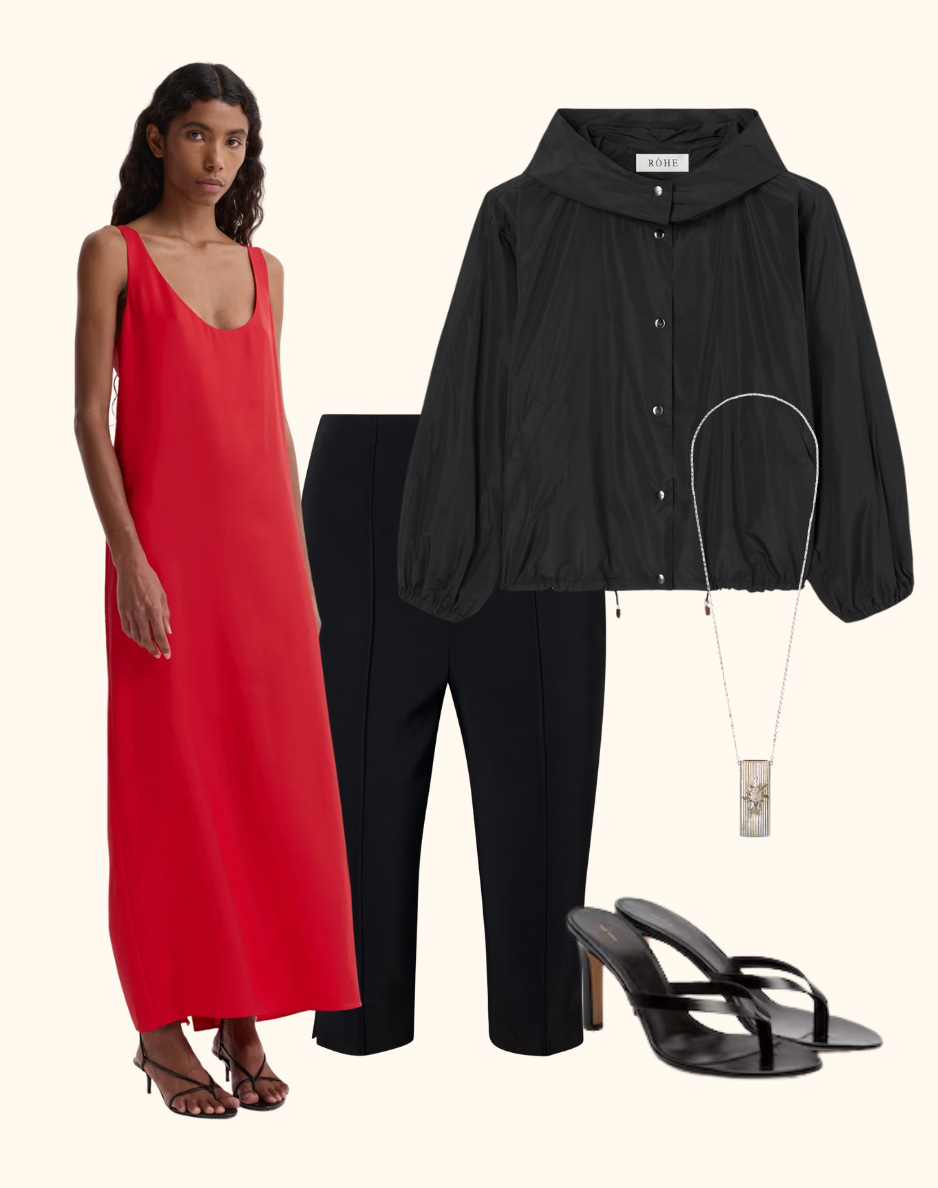
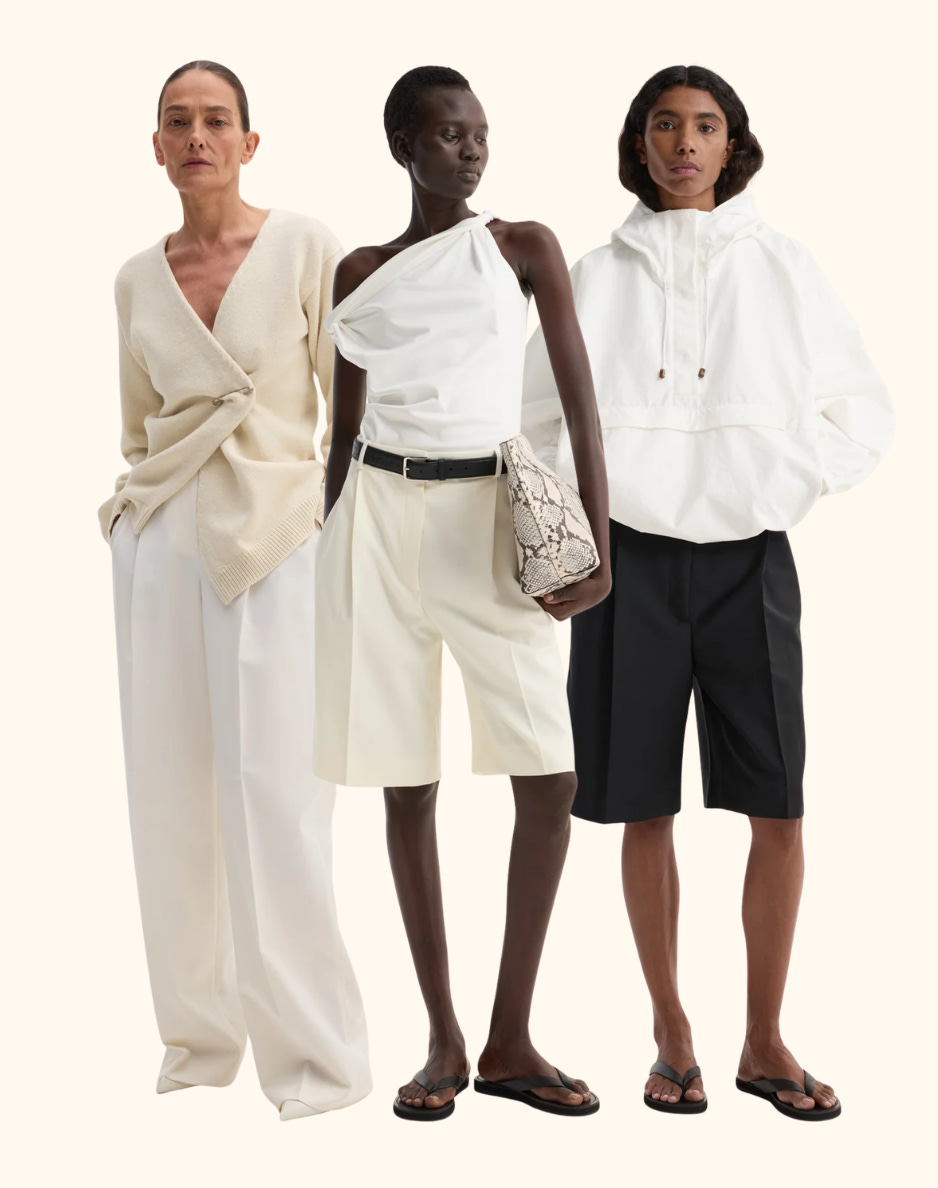
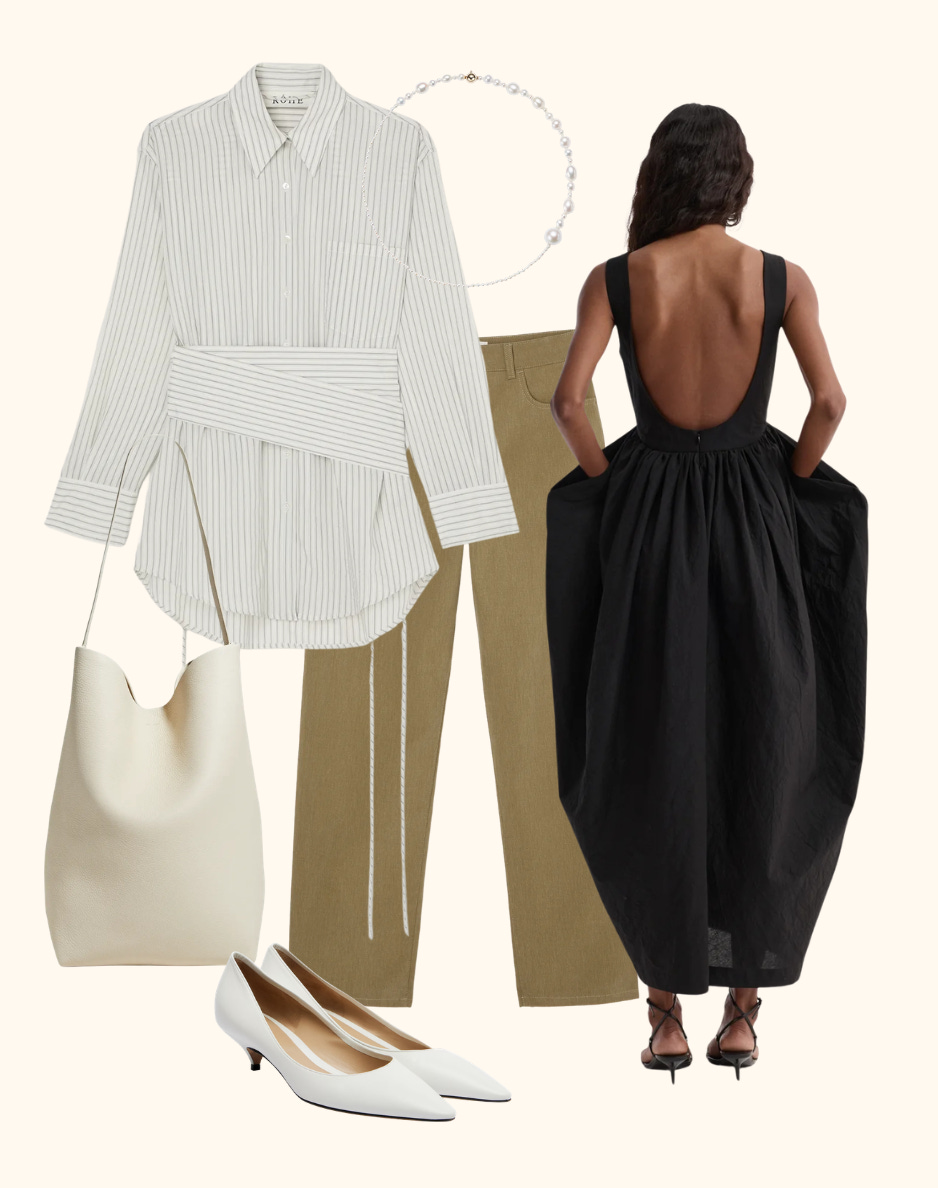
What Róhe does well is the detail you catch on the second look. The placket on a cardigan is reworked to read as a small design argument rather than a closure. A double collar sits on the trench where a single collar would have done fine. I’d argue they handily repopularized the now-inescapable Mandarin jacket silhouette, seen on everyone from your favorite fashion creator to Jennifer Lawrence.
The prices are high, but not as serious as those of spiritually aligned brands like Phoebe Philo. A coat runs in the two thousands rather than, say, ten. A knit is five to eight hundred. The outerwear is where the design language is most legible, but the lightweight cotton pieces are what I find myself falling for.
What Róhe has right now is the narrow, magical window between being discovered and being everywhere, and the women who get it are buying accordingly.


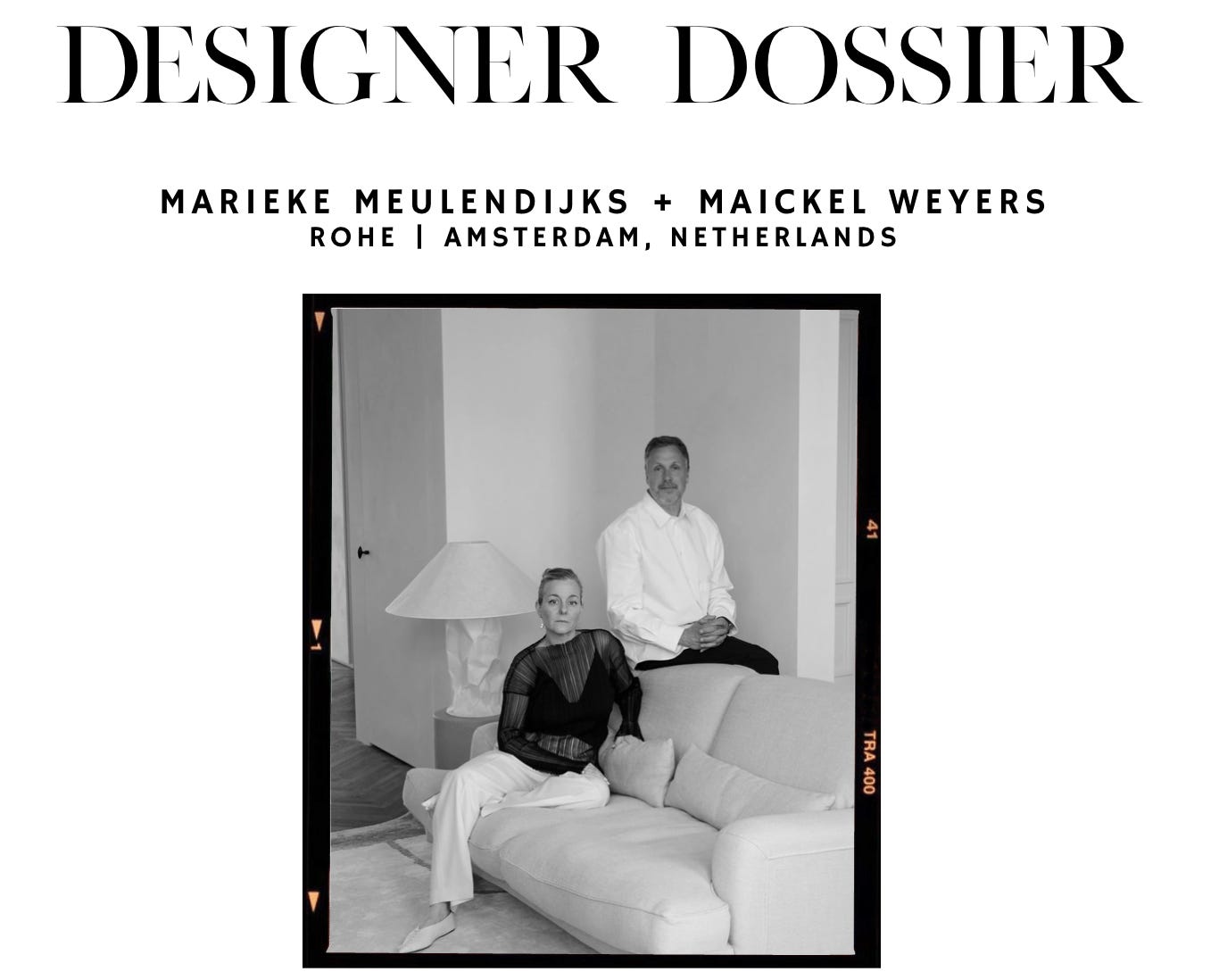
Jess Graves: You two are partners in life and in the business. Who says no first when a piece is not working, and how does that conversation usually go?
Marieke Meulendijks + Maickel Weyers: Our roles are very much their own. Marieke studied fashion and textiles at the Amsterdam Fashion Institute and now oversees the full creative direction of Róhe. Maickel’s background in finance from the University of Amsterdam brings a complementary perspective, as he focuses exclusively on the company's financial and business side. Ultimately, the creative decisions are fully made by Marieke.
JG: Róhe is an introverted brand, both in its marketing and in its clothes. Was the restraint a strategic choice, or is it just how you two work?
MM + MW: We’ve always approached our work from a place of intuition rather than strategy, allowing ideas to take shape through process, dialogue, and lived experience. The restraint was never a conscious choice; it’s simply how we work and who we are. As a more introverted person myself, it’s important to me that clothes offer a calm sense of empowerment without being too loud, allowing you to feel confident in who you are.
JG: The Italian mills you work with, particularly Ley Tricot on the knitwear, have been with the brand since the early days. What does a typical meeting with them look like, and what is the hardest thing you have ever asked them to make for you?
MM: Throughout the years, they have become like family. When I’m in Italy, the days are spent going through yarns, talking about shape and silhouette, looking at a first prototype, and continuing from there together. It’s a continuous dialogue. In the evenings, she cooks at home, and we sit, eat, and talk, and it makes the work so enjoyable, like being with family, sharing ideas, and changing them as you go.
The most difficult piece we’ve made together was a sculptural plissé top in a very fine nylon yarn, almost like thread, incredibly delicate. We still laugh about it to this day, how much fun it was to experiment with such a unique yarn.
JG: Which pieces in the Róhe archive have you each leaned on the hardest over the years, the ones you keep returning to season after season, and what do those choices tell you about your own design instincts?
MM: A lot of the collection is inspired by my personal wardrobe archive. Throughout my life, I’ve had a passion for collecting: clothes, furniture, art, and objects that hold a special place. The most meaningful pieces I keep. Among them is a jacket with pankou closures that I’ve had since I was twenty-three. I found that while traveling through Asia, I was deeply inspired by the precision and simplicity of tailoring and detailing found in traditional garments there. The refined detailing of the pankou closure resonates with my genuine appreciation for craft and tradition. It is, in many ways, a true reflection of what I love most about design.
JG: Amsterdam is not an obvious “fashion capital” in the way Paris or Milan is, and you have stayed. What does the distance give you creatively that being in Paris would not?
MM: Amsterdam is the place of our home, our studio, and our lives. By being rooted here rather than in another fashion capital, we also aim to put Amsterdam more on the map. The city has so much to offer. Its rich culture shines through its beautiful buildings, fascinating history, vibrant art scene, and the diversity of its people. The brand is continuously inspired by Dutch history and its rich textile tradition. We respect our surroundings, cherish the arts and crafts of the Netherlands, and it is this interest in culture that makes designing each collection feel like an act of gratitude for the preservation of history that surrounds us.
JG: Marieke, you have talked about photography and architecture as primary sources of inspiration. Who is the architect or photographer whose work is sitting on your desk right now, and what are you pulling from them?
MM: At the moment, I’m drawing a lot of inspiration from archival Dutch landscape paintings, mostly the ones with windmills. We sometimes also visit the Rijksmuseum to discover lesser-known works, and the colors of those paintings naturally find their way into our moodboard and design process. Lately, I’ve been collecting a lot of Dutch paintings, images, and objects as well; there’s something about that world that I keep returning to.
JG: Maickel, what is the business decision you have made in the last two years that other people thought was a mistake and you knew was right?
MW: A lot has changed in the last two years, and looking back, the decisions all came from the same instinct: to let go and focus on what truly matters with intention. Stopping Les Coyotes de Paris and the menswear collection wasn’t a straightforward decision, but it allowed us to focus entirely on womenswear and continue building it to its full potential. We also decided to bring sales in-house. We deeply value our client relationships and wanted to be in more direct contact with the people who carry and believe in Róhe.
JG: The luxury e-commerce landscape has shifted significantly in the last eighteen months, with Matches closing, the Saks debacle, the MyTheresa/Net-a-Porter convergence, and SSENSE under real pressure. How has that reshaped the way you think about where Róhe should sell?
MM + MW: The shifts in the landscape have encouraged us to think more carefully about where and how we show up. Consumer behaviour has changed significantly. People are increasingly looking for curated, considered spaces where a brand is presented with real intention. Specialty stores and boutiques have become increasingly important to us, and we’ve seen awareness grow through those relationships, with clients coming in specifically asking for Róhe.
However, our larger retail and online partners are still equally important. The way they present Róhe to their audiences, and the trust they place in the brand, is something we genuinely value. In the end, reaching different people through different channels, each in their own way, feels like the right approach for where Róhe is today.

More Designer Dossier…


I tried on all the things when I was in Amsterdam and not one poor word to say about them. I learnt so much from this interview! They have a huge fan in me.
Yeah. This was good.